
Promoting solutions to address the climate crisis
Stay informed! Subscribe to our newsletter here.
The climate crisis is already here.
Our earth is rapidly heating. We have no choice but to take action, to shift our perspectives, and engage others in doing the same. Join us.

The Science of Global Warming and Local Impacts
Sierra Club and North State Climate Action Public Meeting
Wednesday, October 22, 5:30, IOOF Hall 1504 Market St. (Use Butte St. Entrance.)
The Sierra Club and North State Climate Action present two scientists, Daniel Axelrod (Ph.D., Physics, UC Berkeley) and Geneva M. Omann (Ph.D., Biochemistry, U. Minnesota) speaking in Redding on Thursday, October 22, at the IOOF Hall, 1504 Market Street. Both have lived in Siskiyou County since 2003 and are among the co-founders of the non-profit, We Advocate Thorough Environmental Review (W.A.T.E.R.), dedicated to protecting the environment and the communities of the north state. They will speak about the science of climate change and what our climate in the north state could be like in the future. This free meeting will start with a social, free pizza and refreshments at 5:30 pm. The talk will begin at 6 pm.
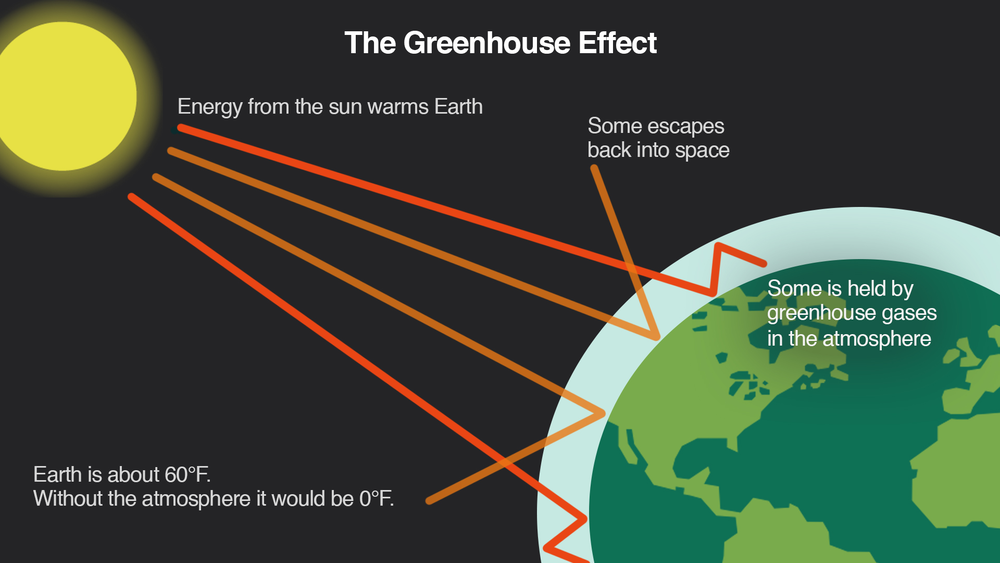
Daniel and Geneva will present at a level that the average person can understand. After covering the basic physics of global warming: e.g. greenhouse gases, carbon dioxide from fossil fuels, feedback loops and their effect on atmospheric circulation, the scientists will discuss the consequences to the planet, humans and other species, including global temperature rise, increased ocean temperatures, intense storms, ocean acidification, sea level rise and impacts on ocean currents. Local impacts on our area’s climate will be highlighted, as well as the effects on lower income communities and other most vulnerable populations. Finally, the questions regarding who is responsible and how to respond effectively to stop the worst outcomes will be addressed. For more information, email sierraclub.shasta@gmail.com.
We hope you will join us!
Preparing for Extreme Heat
In 2022, the State of California completed an action plan for extreme heat and extreme heat events, Protecting Californians From Extreme Heat: A State Action Plan to Build Community Resilience. The plan was formulated with extensive, statewide public input, including several consultations with California Native American tribes, and is organized around four Action Tracks: A) Build Public Awareness and Notification; B) Strengthen Community Services and Response; C) Increase Resilience of the Built Environment; D) Utilize Nature-based Solutions.
Also, in 2022, the City of Redding created a Local Hazard Mitigation Plan in which, among several other hazards, is a section on extreme weather and under that is extreme heat. The Local Hazard Mitigation Plan includes the following goals relating to preparation for extreme heat events:
Goal 7: Reduce deaths, injuries, structural damage, and losses from severe weather.
Goal 8: Prevent deaths, injuries, structural damage, environmental damage, and losses from extreme heat and utility disruptions.
Similarities to the state’s plan are found in the following statements in Goal 7, section 7.6.1 Severe Weather-Extreme Heat, Snow and Wind and section 7.6.5 Vulnerability:
7.6.1 Extreme heat, like most other hazards of concern, is a direct and secondary climate change impact that is a global issue with local effects and may pose a serious threat to the health and safety of residents.
7.6.5 Vegetation helps mitigate the UHI (Urban Heat Island) effect through evaporative cooling. Urban tree cover (urban forests), parks, green roofs and walls essentially are ideal solutions to the UHI effect that not just reduce temperature but also provide shade and improve air quality during heat events. The technological advancements currently available include cool roofs, cool pavements (light colored materials that reflect rather than absorb solar energy) and heat reflective paints that considerably reduce surface temperatures.
Following each goal in the City’s plan is a list of actions that will achieve said goal. Nowhere is there action related to the mitigations noted in the paragraph 7.6.5 above. Although there is one provision for resident education and a reference to tree trimming for power line protection, the majority of the City’s plan focuses on the second State goal, B) Strengthen Community Services and Response. In other words, agencies have specific guidance on how to keep the power on and the water running, two very important actions to protect the community. Recent state planning meetings and public input sessions suggest that there will be further development and mandates regarding the other three goals stated in the state’s action plan.
Extreme heat often results in the highest annual number of deaths among all weather-related disasters. FEMA V-1004/June 2018
As governments talk and plan, local citizens are subjected to extreme heat, and there is no sign that these occurrences will abate in the foreseeable future. So how should we prepare?

Speak for the Trees!
Your Help Is Needed to Protect Our Native Oak!


City Planning is once again looking at a prospective tree ordinance. Although NSCA and other community organizations have asked for your comments in the past, now is the time to voice your support again. It is crucial that as many voices as possible are heard on this issue. The future of Redding will require a mix of native oaks and non-invasive, drought resistant street trees that is capable of mitigating causes and effects of climate change. The City’s tree canopy needs to grow, not shrink. Areas with few trees will need an equitable tree canopy. An ordinance that informs property owners and developers of requirements for protecting our urban trees must be clearly stated.

Redding City General Plan Update
Redding is in the process of updating its General Plan. By state law, any decisions relating to the physical development of a community must be consistent with the General Plan. Redding’s most recent update was October 2000, over 22 years ago.
As drafted, the new General Plan language fails to require the adoption of a Climate Action Plan, which would improve Redding’s access to State grant money. Further, the proposed revisions repeatedly weaken protections of our environment.
NSCA recommends that members of the public review the City of Redding draft General Plan update documents, especially noting the lack of specific language regarding commitment to current environmental protections, ie. “consider” vs “develop and adopt.” Please submit comments at the above link to gpcomments@cityofredding.org. You can also request to be added to the General Plan update list at the same email address.
Our mission statement
North State Climate Action (NSCA) is a group of volunteers in California’s far North State region, including Shasta and adjoining counties.
Our mission is to promote solutions addressing the climate crisis through education, collaboration, and action in our communities.
-

Education Focus Group
We inform our subscribers and the general public about climate change issues and solutions in our region and beyond.
-

Action Focus Group
We create a connection to local elected officials and government bodies as well as State and National elected officials, alerting our members to opportunities for personal action.
-

Collaboration Focus Group
We focus on networking with other groups pursuing solutions to climate change, partnering when appropriate and providing support as needed.

The Science Demands We Take Action
The science is clear. We are already living with the consequences of a warming earth. We are paying attention and sharing the latest, along with our observations and insights from our own experiences.
“I have learned you are never too small to make a difference.”
— Greta Thunberg